


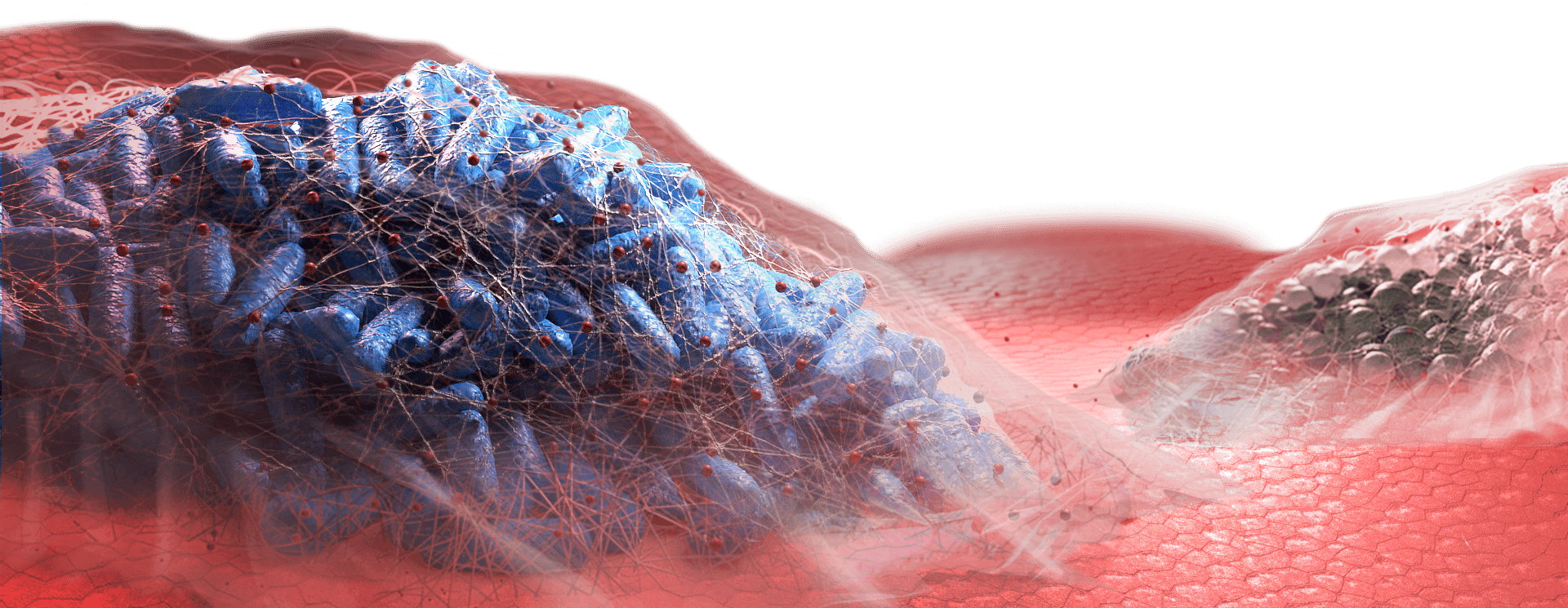













We aim to address the challenge of chronic respiratory conditions through an innovative technology platform targeting the biofilm—a protective layer around bacteria that drives inflammation and progressive lung function decline.

The threat of bacterial biofilms

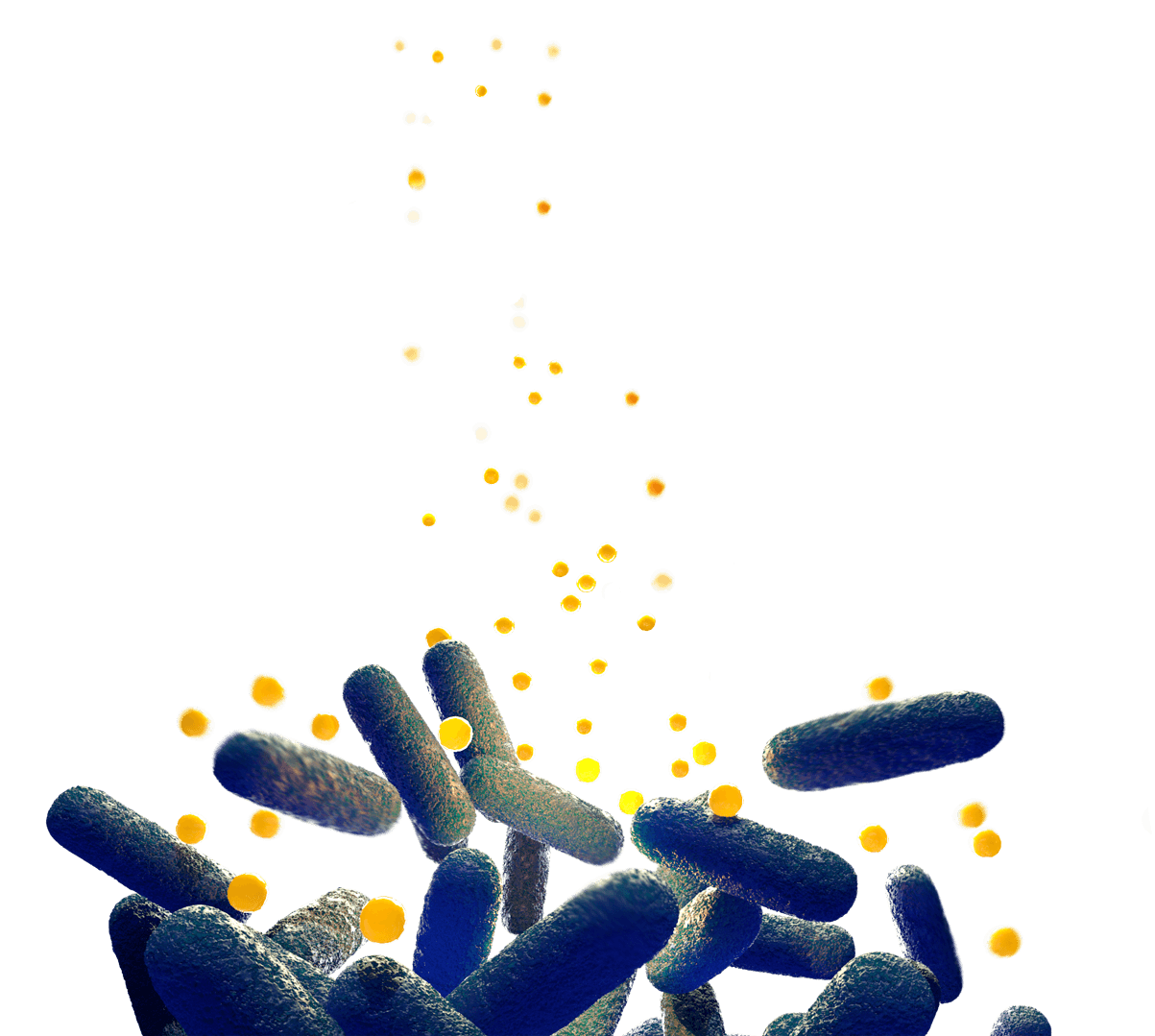
Disease-causing bacteria naturally prefer biofilm environments

  • Protective layer shields bacteria from immune or antibiotic attack
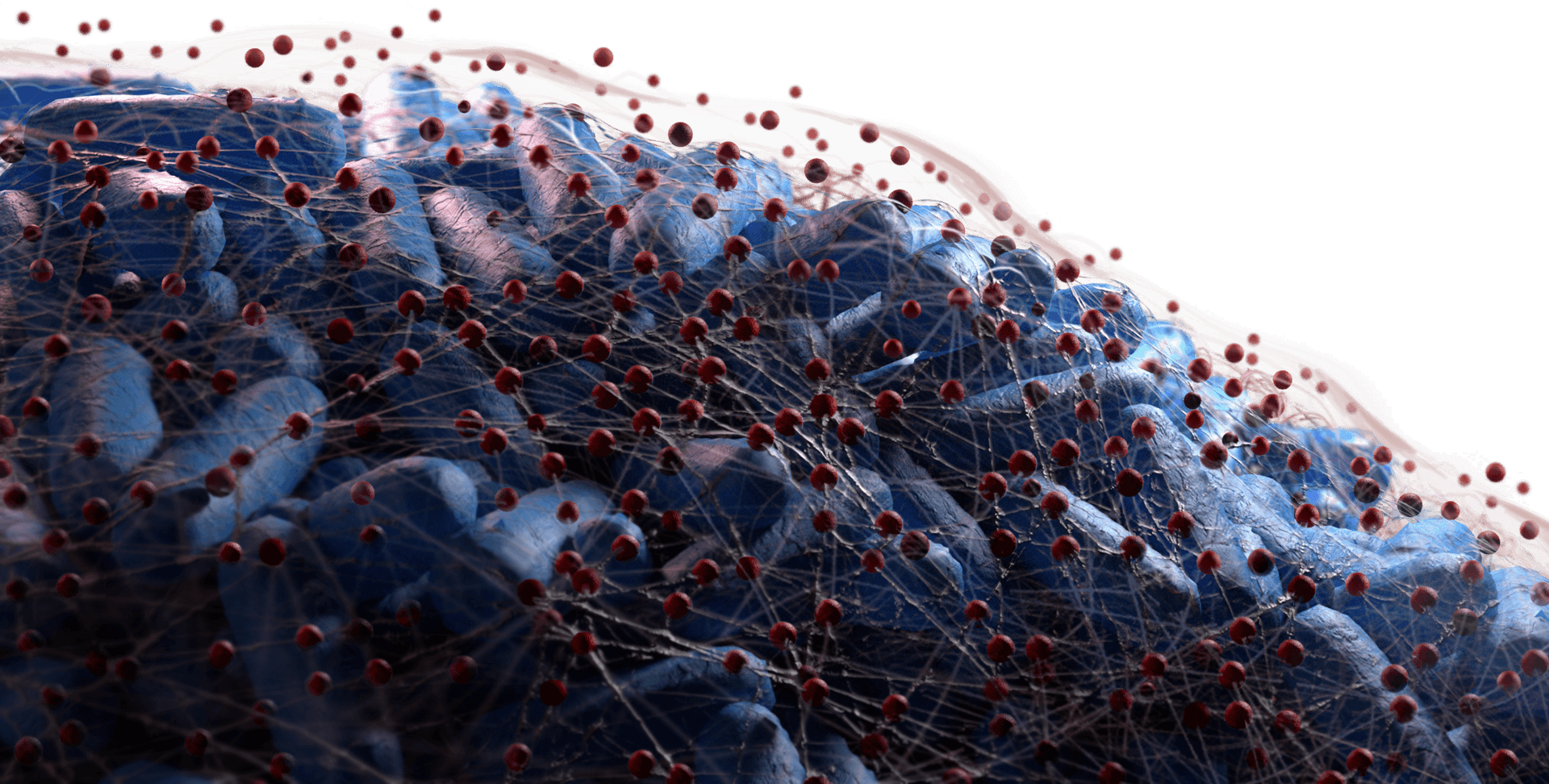
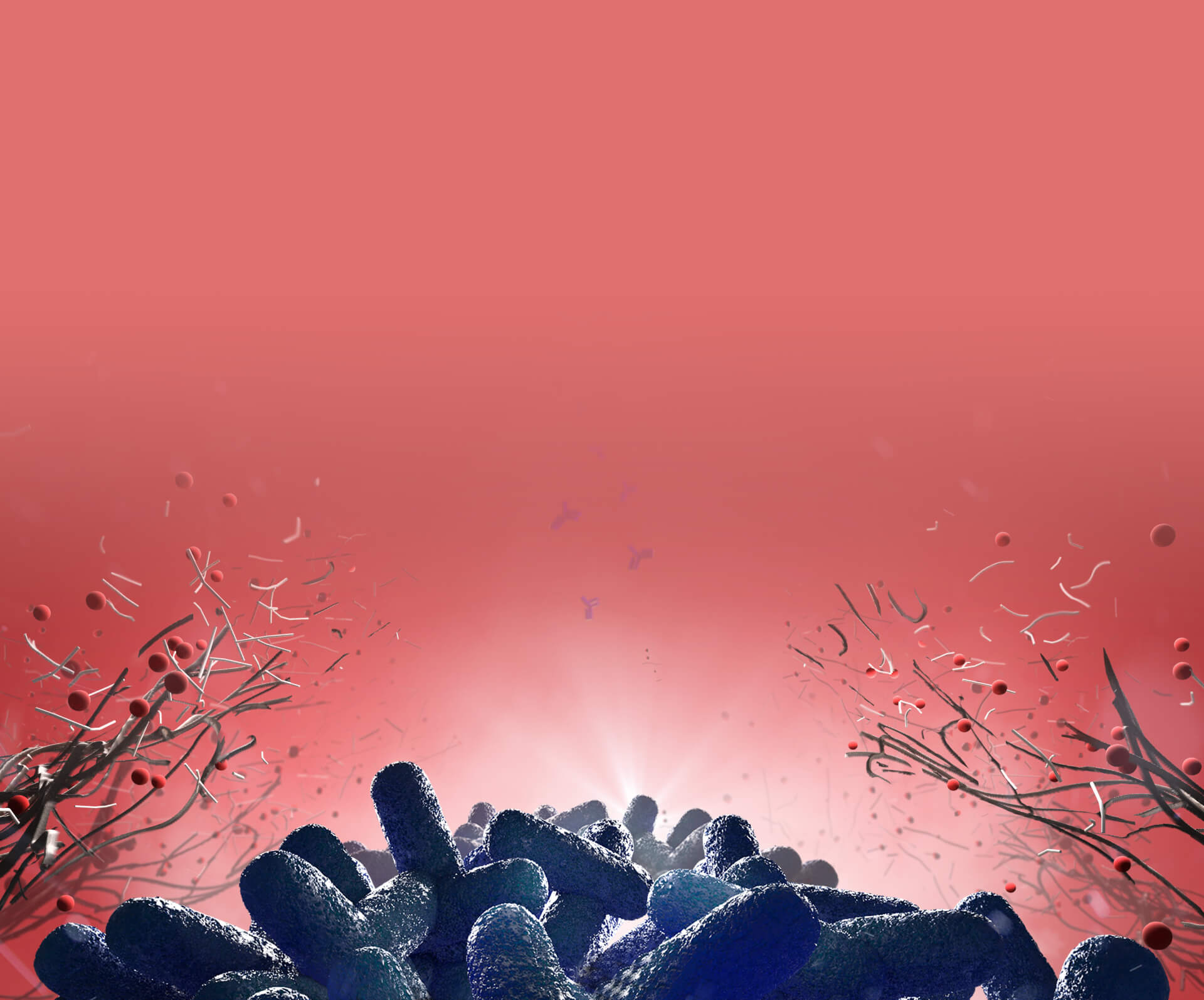
  • Composed of extracellular polymeric substance (EPS) and a scaffolding matrix of extracellular DNA (eDNA) and "linchpin" (red) binding proteins

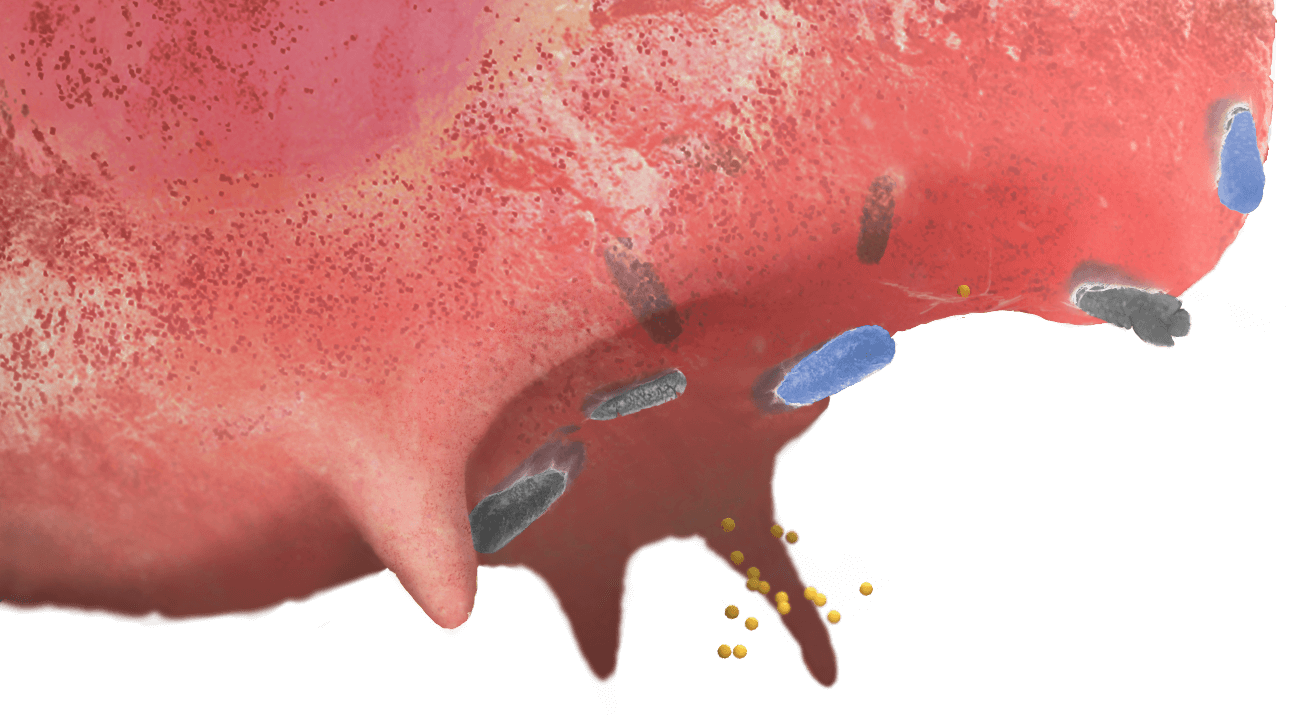
Biofilms cause inflammation and progressive lung damage

Drive inflammatory responses and poor clinical outcomes.

  • Responsible for approximately 80 percent of human bacterial infections
  • Implicated in fueling chronic bronchiectatic respiratory diseases, including cystic fibrosis (CF), bronchiectasis and nontuberculosis mycobacterial (NTM) lung disease
  • Biofilm-encased bacteria can be up to 1,000 times more resistant to antibiotics than those unprotected by biofilms

The Clarametyx Technology
Therapeutic Approach  |  Vaccination Approach

Powerful pathogen-agnostic anti-biofilm technology

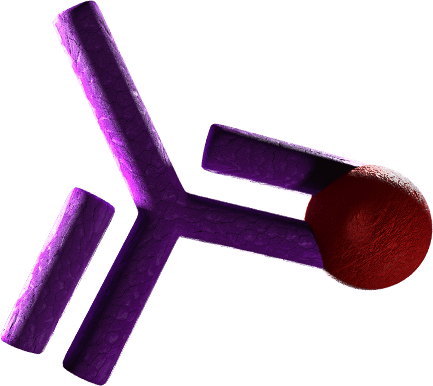
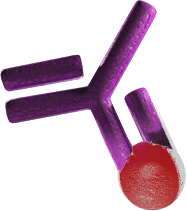
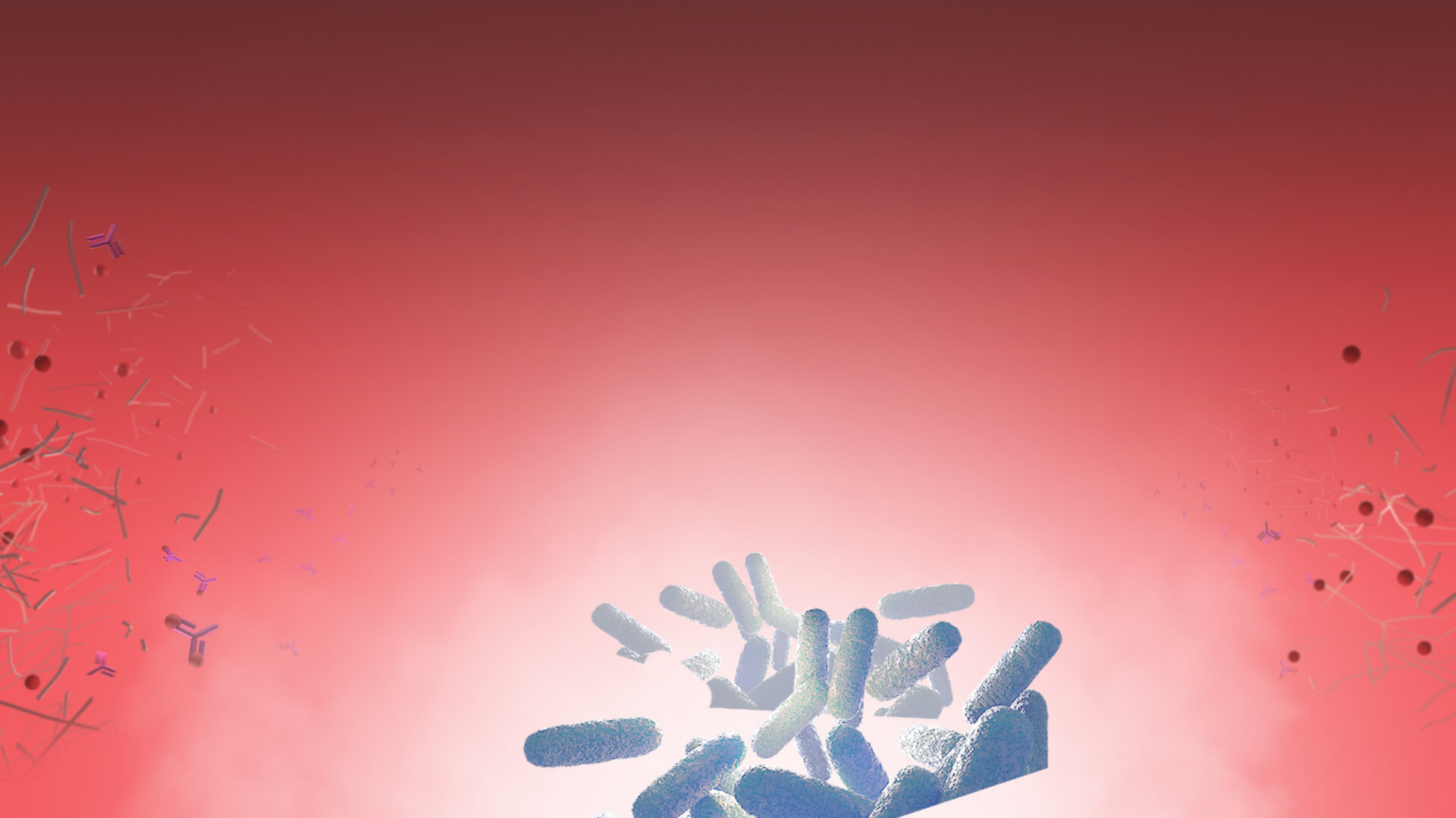
CMTX-101 (purple) antibodies capture and remove key linchpin proteins (red), resulting in rapid biofilm collapse

Key modes of action:

  • Immune-enabling: Immune effectors can more efficiently clear a broad range of disease-causing respiratory bacteria
  • Inflammation-suppressing: Decreases biofilm-associated inflammation and reduces inflammatory reaction without impairing immune response
  • Antibiotic-sensitizing: Enhances the effectiveness of antibiotic activity

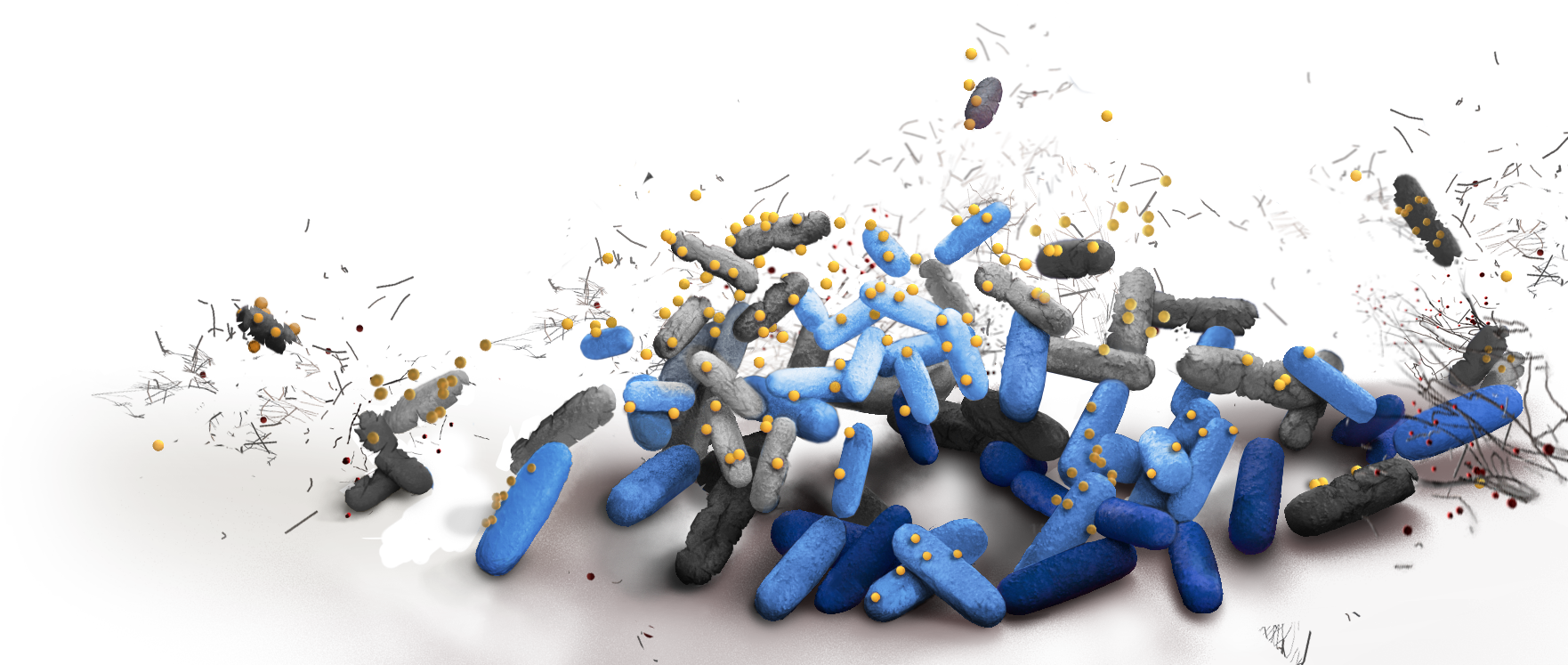
Biofilm collapse
drastically increases
bacterial vulnerability

  • Innate immune effectors or antibiotics able to access bacteria
  • Antibiotic susceptibility increased by 4 to 8 fold

Unprotected bacteria
are rapidly destroyed

  • Result: Reduced chronic and recurrent infection and associated inflammation
  • High likelihood of cost-effective clinical benefit
  • Reduced potential for development of antibiotic resistance

Vaccination

Vaccinating Against Biofilms

CMTX-301 vaccination triggers the body to produce an immune response to the linchpin DNABII biofilm proteins that drive biofilm formation, regardless of pathogen

Vaccinating Against Biofilms

CMTX-301 vaccination triggers the body to produce an immune response to the DNABII linchpin proteins

Targeting Biofilm Structure

Antibodies are produced that target the linchpin proteins, destabilizing the biofilm eDNA structural lattice and thus preventing biofilm development

Targeting Biofilm Structure

Antibodies are produced that target the linchpin proteins, destabilizing the biofilm eDNA structural lattice and thus preventing biofilm development

More Effective Intervention

In the absence of biofilm, bacteria remain vulnerable to immune or antibiotic intervention

  • Increases host clearance of the bacteria
  • Reduces inflammation
  • Reduces potential for bacterial resistance development

More Effective Interventions

In the absence of biofilm, bacteria remain vulnerable to immune or antibiotic intervention

  • Increases host clearance of the infection
  • Reduces potential for bacterial resistance development
  • Reduces inflammation at infection sites